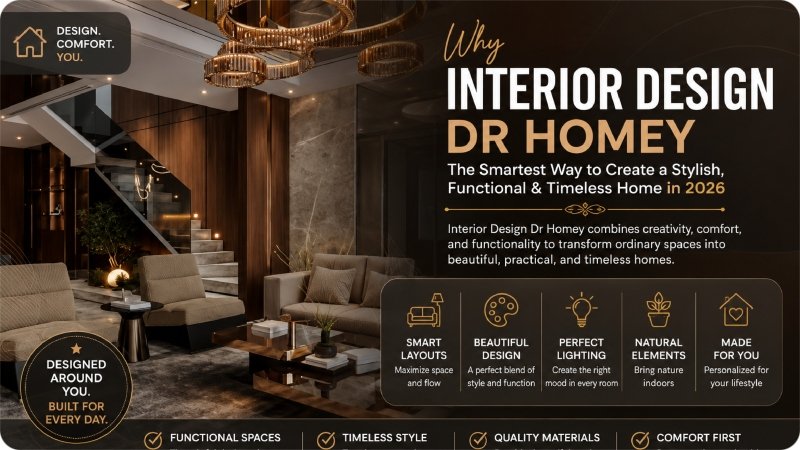
Creating a beautiful home is no longer about buying expensive furniture or following every decorating trend. Modern homeowners want spaces that are practical, comfortable, and visually appealing without wasting money or square footage. That is exactly where Interior Design Dr Homey stands out.
Instead of focusing only on decoration, this design approach combines functionality, comfort, organization, and timeless style. Every room is planned with a purpose so that daily life becomes easier while the home looks elegant and welcoming.
Whether you live in a compact apartment, a suburban family home, or a newly built property, thoughtful interior design can improve how you use every space. From selecting the right colors and arranging furniture to maximizing natural light and incorporating smart storage, every decision contributes to a home that feels balanced and inviting.
What Is Interior Design Dr Homey?
Interior Design Dr Homey is a practical approach to home design that emphasizes harmony between beauty and functionality. Rather than decorating a room with random trends, it encourages homeowners to create spaces that are visually attractive while supporting everyday living. The philosophy centers on thoughtful planning. Every piece of furniture, lighting fixture, wall color, and decorative accessory should serve a purpose instead of simply filling space.
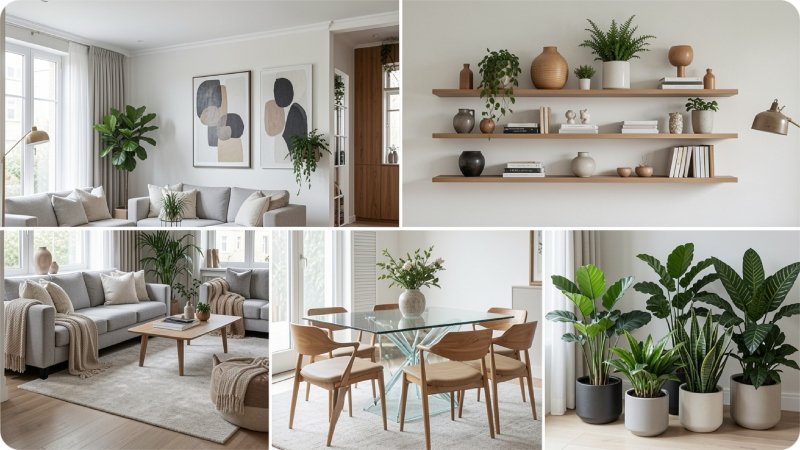
The approach focuses on several core principles.
| Design Principle | Purpose | Result |
|---|---|---|
| Functional Layout | Improve movement | Comfortable daily living |
| Balanced Color Palette | Create harmony | Calm and inviting interiors |
| Natural Lighting | Brighten rooms | Larger visual appearance |
| Smart Storage | Reduce clutter | Organized living spaces |
| Quality Materials | Increase durability | Long-term value |
| Personal Style | Reflect personality | Unique and welcoming home |
Unlike many decorating trends that disappear within a few years, this approach prioritizes timeless decisions that continue looking modern for years.
Why Good Interior Design Matters More Than Ever
- Many homeowners underestimate how much their environment affects their mood and productivity.
- A well-designed home influences nearly every part of daily life. It creates comfortable spaces for relaxing, improves work-from-home productivity, makes entertaining guests easier, and even increases property value.
- Today’s homes must perform multiple functions. One room often serves as an office during the day, a family gathering area in the evening, and an entertainment space on weekends.
- Thoughtful planning allows each area to adapt without sacrificing comfort or style.
The Real Benefits of Smart Interior Planning
When homeowners follow proven design principles, they often notice improvements that extend beyond appearance.
Better Everyday Comfort
Furniture placement affects how easily people move through a room. Proper spacing eliminates unnecessary obstacles while making spaces feel larger.
Improved Organization
Built-in storage, multifunctional furniture, and intentional layouts reduce clutter, making homes easier to clean and maintain.
Higher Property Appeal
Buyers are naturally drawn to homes that appear bright, organized, and thoughtfully designed. Even modest interior improvements can make a property more attractive during resale.
Enhanced Natural Lighting
Well-positioned mirrors, lighter paint colors, and strategic furniture placement help maximize daylight, reducing dependence on artificial lighting.
Better Mental Well-Being
Research consistently suggests that clean, organized environments contribute to reduced stress and improved focus. A thoughtfully designed home supports both relaxation and productivity.
The Five Core Principles Behind Interior Design Dr Homey
Successful interiors rarely happen by accident. They result from following consistent design principles that create visual balance throughout the home.
1. Design Around Lifestyle
Before selecting colors or furniture, consider how each room will actually be used. A family with children has different priorities than someone living alone. Likewise, remote workers require dedicated office space that supports concentration and comfort. The room should always adapt to the homeowner—not the other way around.
2. Prioritize Function Before Decoration
Beautiful interiors lose their value if they are inconvenient to use. Walkways should remain open. Frequently used items should stay accessible. Seating should encourage conversation rather than block movement. Once functionality is established, decorative elements can enhance the overall atmosphere.
3. Create Visual Balance
Every room should feel balanced. Large furniture pieces work best when paired with lighter elements such as open shelving, mirrors, or artwork. Mixing textures—including wood, glass, metal, and fabric—adds depth without overwhelming the space. Balance also applies to symmetry, proportion, and spacing.
4. Maximize Natural Light
- Natural light transforms interiors.
- Homes with abundant daylight appear larger, cleaner, and more inviting.
- Simple techniques include selecting sheer curtains, positioning mirrors opposite windows, and choosing reflective surfaces that distribute light throughout the room.
5. Keep Clutter Under Control
Clutter reduces the impact of even the most expensive furniture. Hidden storage, floating shelves, storage ottomans, and built-in cabinetry help maintain clean surfaces while keeping essentials within easy reach. An organized room instantly feels more luxurious.
Room-by-Room Interior Design Dr Homey Guide
Every area of the home serves a unique purpose. Designing each room individually while maintaining a consistent overall style creates a cohesive living environment.
Living Room Design That Feels Open and Inviting
- The living room is often the most frequently used area in any home. It serves as a place for relaxation, conversation, entertainment, and family gatherings.
- Start by identifying the room’s focal point. This may be a fireplace, television, large window, or statement artwork.
- Arrange seating to encourage interaction rather than pointing every chair toward a single wall.
- Choose furniture that fits the scale of the room. Oversized sofas can overwhelm smaller spaces, while undersized furniture makes larger rooms feel empty.
- Layer the lighting by combining ceiling fixtures, table lamps, and floor lamps. This creates flexibility for reading, entertaining, or relaxing.
- Soft area rugs define seating zones while improving comfort and acoustics.
Expert Example
Imagine a medium-sized American family room measuring approximately 16 by 20 feet. Instead of placing every piece of furniture against the walls, position the sofa slightly inward with two accent chairs facing it. Add a central coffee table, a textured area rug, indoor plants, and warm lighting to create a welcoming conversation area. The room immediately feels larger, more balanced, and easier to use.
Designing a Comfortable Bedroom
Bedrooms should promote rest and relaxation. Neutral colors such as warm white, soft beige, muted gray, and light earth tones create a peaceful atmosphere without feeling cold. Position the bed where it becomes the room’s natural centerpiece. Nightstands should match the height of the mattress for both comfort and visual consistency. Layer bedding using quality linens, textured throws, and supportive pillows to create a hotel-inspired appearance.
Kitchen Design: The Heart of Every Modern Home
A well-designed kitchen is more than a place to prepare meals. It is where families gather, conversations happen, and daily routines begin. Following the principles of Interior Design Dr Homey, a kitchen should balance beauty with efficiency. The first step is creating an efficient work triangle between the sink, refrigerator, and cooking area. This layout reduces unnecessary movement and makes meal preparation faster. Cabinets should maximize storage without making the room feel crowded. Pull-out shelves, corner organizers, and vertical storage solutions help keep countertops clean while improving accessibility. Quartz countertops remain a popular choice because they are durable, low maintenance, and available in many colors. Pairing them with a neutral backsplash creates a timeless appearance that suits both traditional and contemporary homes.
Modern Kitchen Features Worth Considering
| Feature | Main Benefit | Best For |
|---|---|---|
| Kitchen Island | Extra workspace and seating | Medium to large kitchens |
| Soft-Close Cabinets | Reduced wear and quieter operation | Family homes |
| Under-Cabinet Lighting | Better visibility | Food preparation |
| Pull-Out Pantry | Organized storage | Small kitchens |
| Smart Appliances | Energy efficiency | Modern households |
Bathroom Design That Feels Like a Personal Spa
- Bathrooms often receive less attention than other rooms, yet they play a major role in everyday comfort.
- A successful bathroom combines clean lines, efficient storage, quality lighting, and moisture-resistant materials.
- Floating vanities create the illusion of additional floor space while simplifying cleaning. Large mirrors reflect natural light, making compact bathrooms appear larger.
- Walk-in showers with frameless glass panels continue to dominate modern design because they create an open, luxurious appearance.
- Neutral color palettes featuring white, soft gray, beige, or natural stone textures create a relaxing environment that remains stylish for years.
- Storage should remain discreet. Recessed shelves, mirrored medicine cabinets, and built-in niches help reduce clutter without sacrificing convenience.
Dining Room Design That Encourages Connection
The dining room should feel warm and welcoming. Whether hosting holiday gatherings or enjoying everyday meals, the environment influences the overall experience. Choose a dining table that leaves enough walking space around all sides. Chairs should provide comfort for extended conversations rather than focusing solely on appearance. Pendant lighting positioned directly above the table creates an inviting focal point while defining the dining area. Natural materials such as wood, stone, and linen introduce texture without overwhelming the room.
Designing a Productive Home Office
- As remote and hybrid work become increasingly common across the United States, creating a productive workspace has become essential.
- The workspace should receive abundant natural light without causing glare on computer screens.
- Investing in an ergonomic chair supports posture and reduces fatigue during long working hours.
- A desk with built-in storage helps maintain an organized workspace, while floating shelves keep frequently used items within reach.
- Adding indoor plants improves visual appeal and contributes to a more relaxing working environment.
- Sound management also matters. Rugs, curtains, upholstered furniture, and acoustic wall panels help minimize unwanted noise during meetings and focused work sessions.
Small Space Design: Making Every Square Foot Count
Smaller homes and apartments benefit the most from thoughtful planning. Instead of purchasing many small furniture pieces, select multifunctional items that perform several roles. A storage ottoman can provide seating while hiding blankets or books. A dining table with folding leaves adapts easily to different occasions. Wall-mounted shelves free valuable floor space while creating attractive display areas. Mirrors remain one of the simplest methods for increasing the visual size of a room by reflecting both natural and artificial light. Choosing furniture with visible legs creates a lighter appearance because more flooring remains visible. Limiting decorative accessories prevents visual clutter while allowing statement pieces to stand out.
Choosing the Perfect Color Palette
- Color influences how people experience a room emotionally and visually.
- Soft neutrals continue to dominate interior design because they provide flexibility and timeless appeal.
- White creates a bright, clean atmosphere.
- Warm beige introduces comfort without overwhelming the room.
- Soft gray complements both modern and traditional interiors.
- Muted green reflects nature and promotes relaxation.
- Dusty blue creates calm, particularly in bedrooms and bathrooms.
- Accent colors should appear thoughtfully through artwork, cushions, rugs, and decorative accessories instead of dominating the entire room.
- Before selecting paint, test several samples under both daylight and evening lighting because colors often appear dramatically different throughout the day.
Lighting: The Secret Behind Exceptional Interiors
Even beautifully decorated rooms lose their appeal if lighting is poorly planned. Professional designers recommend layering three different lighting types. Ambient lighting provides overall illumination. Task lighting supports reading, cooking, and work activities. Accent lighting highlights artwork, architectural details, or decorative features.
Selecting Furniture That Balances Style and Function
- Furniture should always fit both the room and the homeowner’s lifestyle.
- Measure every room carefully before making purchases.
- Oversized furniture can restrict movement, while furniture that is too small may make larger rooms feel unfinished.
- Prioritize durable materials, high-quality upholstery, and timeless designs over rapidly changing trends.
- Mixing textures—including wood, metal, fabric, glass, and natural fibers—creates visual interest without overwhelming the space.
- Whenever possible, choose furniture that offers additional storage or multiple functions.
Budget-Friendly Design Ideas That Deliver Premium Results
- Creating a beautiful home does not require a luxury budget.
- Painting walls remains one of the most affordable improvements with the greatest visual impact.
- Replacing outdated cabinet hardware instantly modernizes kitchens and bathrooms.
- New curtains, decorative cushions, rugs, and lighting fixtures refresh interiors without requiring major renovations.
- Indoor plants introduce color, texture, and freshness while improving overall ambiance.
- Shopping during seasonal sales or purchasing high-quality second-hand furniture allows homeowners to achieve premium looks while staying within budget.
Interior Design Trends Shaping Homes in 2026
Modern homes increasingly combine technology, sustainability, and timeless aesthetics. Natural materials continue replacing synthetic finishes. Earth-inspired colors remain popular because they create warmth and relaxation. Curved furniture softens interiors while adding sophistication. Smart home integration allows lighting, climate control, and security systems to operate seamlessly. Sustainable furniture made from responsibly sourced materials continues gaining popularity among environmentally conscious homeowners.
Common Interior Design Mistakes to Avoid
- Many homeowners unintentionally reduce both comfort and visual appeal through avoidable mistakes.
- Purchasing furniture before measuring the room often leads to overcrowded layouts.
- Using too many decorative accessories creates unnecessary visual clutter.
- Ignoring storage solutions allows everyday items to accumulate on visible surfaces.
- Choosing trendy colors without considering long-term appeal can require expensive repainting within only a few years.
- Relying exclusively on ceiling lighting creates flat, uninviting interiors.
- Finally, copying online inspiration without adapting it to your own home’s size, architecture, and lifestyle often produces disappointing results.
- The most successful homes combine inspiration with thoughtful planning, ensuring every design decision supports comfort, functionality, and lasting beauty.
Frequently Asked Questions
1. What is Interior Design Dr Homey?
Interior Design Dr Homey is a practical home design approach that combines aesthetics with functionality. It focuses on creating comfortable, organized, and visually appealing living spaces through thoughtful layouts, balanced color palettes, smart storage, quality materials, and timeless décor choices.
2. Can I apply Interior Design Dr Homey principles on a small budget?
Yes. Many improvements require careful planning rather than large investments. Painting walls, updating lighting, rearranging furniture, adding indoor plants, and replacing outdated hardware can significantly improve your home’s appearance without a major renovation.
3. Which interior design style works best for small homes?
Minimalist and Scandinavian-inspired interiors are excellent choices for compact spaces. These styles emphasize clean lines, multifunctional furniture, light colors, and clutter-free layouts, making rooms feel larger and more comfortable.
4. How often should I update my home’s interior design?
There is no fixed schedule. Refreshing decorative accessories, repainting walls when needed, and replacing worn furniture every few years can keep your home looking modern. Focus on timeless design elements rather than short-lived trends.
5. Does good interior design increase property value?
A thoughtfully designed home often creates a stronger first impression for potential buyers. Well-planned layouts, updated kitchens and bathrooms, quality lighting, and attractive finishes can improve market appeal and contribute to higher resale value.
6. What is the biggest mistake homeowners make when decorating?
One of the most common mistakes is prioritizing appearance over functionality. Buying oversized furniture, ignoring lighting, using too many decorative items, or failing to plan storage can make even beautiful rooms feel crowded and impractical.
Final Thoughts
A beautiful home is created through thoughtful planning, not by following every passing trend. Interior Design Dr Homey encourages homeowners to design spaces that are functional, welcoming, and built around everyday living. When each room is planned with purpose, your home becomes easier to maintain, more enjoyable to live in, and better suited to your lifestyle.
Whether you are redesigning a single room or renovating your entire home, begin with the fundamentals. Choose a balanced color palette, maximize natural light, invest in quality furniture, and keep every space organized. Small improvements made with intention often deliver the biggest long-term results.