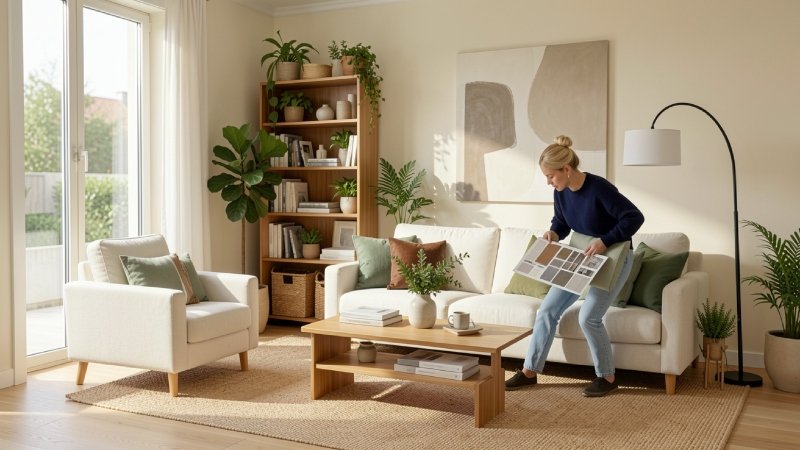
A beautifully decorated home is more than a collection of attractive furniture and trendy accessories. It is a place that reflects your personality, supports your daily routine, and creates an environment where you genuinely enjoy spending time. Whether you own a spacious suburban house, a downtown apartment, or a cozy family home, thoughtful decorating decisions can completely transform the way your space looks and feels. This guide explores interior decoration tips mintpaldecor through a modern, practical approach designed for today’s homeowners in the United States. Instead of focusing only on decorating trends, you’ll learn how to create rooms that remain attractive, comfortable, and functional for years to come. From planning your layout and selecting colors to improving lighting, furniture placement, and organization, each section offers actionable ideas you can confidently apply in your own home.
Why Interior Decoration Matters More Than Ever
Your home influences your daily life in countless ways. A well-designed interior supports productivity, reduces stress, improves organization, and creates welcoming spaces for family and guests. Interior decoration is not simply about appearance. It affects how efficiently you move through your home, how comfortable you feel after a long day, and even how much natural light reaches different areas.
Modern decorating focuses on achieving five important goals:
| Design Goal | Why It Matters |
|---|---|
| Comfort | Makes everyday living more enjoyable |
| Functionality | Every room serves its intended purpose |
| Organization | Reduces clutter and increases usable space |
| Style | Reflects your personality without feeling overwhelming |
| Longevity | Creates a design that stays attractive for years |
When these elements work together, your home feels balanced instead of crowded or unfinished.
Understanding the Foundation of Great Interior Design
Before choosing paint colors or shopping for furniture, it’s important to understand one basic principle. Every successful room begins with a purpose.
Ask yourself:
- How will this room be used every day?
- Who spends the most time here?
- What problems should this space solve?
- What atmosphere do you want people to experience?
For example, a living room designed mainly for entertaining guests requires different furniture arrangements than one intended for relaxing with family every evening. When decorating decisions support the room’s purpose, every purchase becomes more intentional.
Interior Decoration Tips MintPalDecor That Truly Make a Difference
Start With a Practical Layout
Many decorating mistakes happen before a single decorative item enters the room. People often purchase furniture first and then attempt to make everything fit. A better strategy is designing the layout before buying anything.
- Walk through the room.
- Notice where natural traffic flows.
- Keep pathways open.
Allow enough space for doors to open comfortably and furniture to function properly. Professional designers often begin with painter’s tape placed on the floor to outline furniture dimensions. This simple technique prevents expensive buying mistakes and helps visualize the room before making any purchases. A thoughtful layout immediately makes a home feel larger, cleaner, and more welcoming.
Build a Timeless Color Palette
Color influences mood more than any other decorating element. Instead of chasing yearly trends, choose colors that remain attractive throughout changing seasons. A balanced palette usually consists of neutral foundations combined with carefully selected accent colors. Soft whites, warm beige, light gray, muted olive, and gentle earth tones create flexible backgrounds that work with nearly every decorating style.
Let Natural Light Become Part of the Design
One feature cannot be purchased in a furniture store. Natural sunlight. Choose glass tables instead of bulky wooden pieces when appropriate. Even small adjustments can make a room appear significantly larger without changing its actual dimensions.
Choose Furniture That Fits the Room
- Oversized furniture can overwhelm smaller homes.
- Tiny furniture often disappears inside large spaces.
- Finding the correct balance matters more than purchasing expensive brands.
- Before shopping, measure the room carefully.
- Consider walking space around sofas, dining tables, and beds.
- Leave breathing room between larger furniture pieces to avoid creating a crowded appearance.
- Quality should always receive greater priority than quantity.
- A comfortable sofa that lasts fifteen years offers more value than replacing lower-quality furniture every few years.
Design Around a Strong Focal Point
- Every memorable room has something that immediately attracts attention.
- It may be a fireplace.
- A large window overlooking the backyard.
- A beautiful piece of artwork.
- A statement dining table.
- Or an elegant bookshelf.
- Everything else should support—not compete with—that focal point.
- When multiple decorative elements fight for attention simultaneously, the room feels chaotic instead of relaxing.
- Keeping one clear visual centerpiece creates order naturally.
Decorate With Purpose Instead of Filling Empty Space
- Many homeowners feel every shelf or wall must contain something.
- The opposite is often true.
- Empty space allows decorative pieces to stand out.
- Rather than purchasing dozens of inexpensive decorations, invest in fewer items that have personal meaning or lasting quality.
- A handcrafted vase.
- A framed family photograph.
- Original artwork.
- Travel souvenirs.
- Books you genuinely enjoy reading.
- These elements tell your story while making the home feel authentic rather than staged.
Room-by-Room Decorating Guide for Every Home
Every room serves a different purpose, so each one deserves a unique decorating strategy. Rather than applying the same style throughout your home, focus on creating spaces that support everyday living while maintaining a consistent design theme.
Living Room: Build a Space That Brings People Together
The living room is often the first area guests see and the place where families spend the most time. It should encourage conversation, relaxation, and flexibility. Start by positioning the largest piece of furniture around the room’s focal point, whether that’s a fireplace, television, or large window. Instead of pushing every piece against the wall, create a balanced seating arrangement that naturally encourages interaction.
Bedroom: Design for Comfort and Rest
A bedroom should help you relax from the moment you enter. Choose calming colors such as warm white, soft gray, muted blue, or gentle earth tones. These shades encourage relaxation without making the room feel dull.
Invest in quality bedding before purchasing decorative accessories. Comfortable sheets, supportive pillows, and layered blankets improve both appearance and sleep quality.
Kitchen: Blend Style With Everyday Function
The kitchen works hardest in any home. interior decoration tips mintpaldecor should never interfere with functionality. Keep countertops mostly clear while displaying only frequently used or visually attractive items, such as wooden cutting boards, ceramic containers, or fresh herbs. Open shelving can showcase beautiful dishes if arranged neatly, but avoid overcrowding shelves with decorative objects.
Dining Room: Encourage Conversation
- The dining room should feel welcoming without becoming overly formal.
- Choose a table that comfortably fits the available space while leaving enough room for chairs to move easily.
- Pendant lighting centered above the dining table creates visual balance and defines the space.
- A simple centerpiece, fresh flowers, or seasonal greenery often creates greater impact than numerous decorative accessories.
- Artwork should enhance the dining experience without overwhelming the room.
Bathroom: Turn Everyday Routines Into Luxury Experiences
Bathrooms deserve the same design attention as larger rooms. Replace worn towels with matching, high-quality textiles. Add natural elements like bamboo accessories or small indoor plants that thrive in humid conditions. Large mirrors increase brightness while making compact bathrooms appear more spacious. Floating shelves provide practical storage while displaying neatly folded towels or decorative containers. The goal is creating a spa-inspired atmosphere that feels clean, organized, and relaxing.
Home Office: Improve Productivity Through Design
- Remote work has made home offices more important than ever.
- Position your desk near natural light whenever possible.
- Choose an ergonomic chair that supports long working sessions while matching your overall decorating style.
- Keep cables hidden using simple organizers to reduce visual clutter.
- Shelving should display only meaningful books, awards, or decorative objects that inspire creativity without becoming distracting.
- Adding one or two indoor plants introduces color while improving the workspace’s overall atmosphere.
Decorating Small Spaces Like a Professional
Small homes present unique opportunities rather than limitations. Professional decorators rarely attempt to fill every corner. Instead, they maximize openness through careful planning. Furniture with multiple functions provides tremendous value. Storage ottomans, extendable dining tables, foldable desks, and beds with built-in drawers save space while reducing clutter. Vertical storage is equally important. Wall-mounted shelving, tall bookcases, and floating cabinets increase storage without consuming valuable floor area.
Decorating on a Realistic Budget
Creating an elegant interior doesn’t require unlimited spending. The smartest homeowners prioritize investments instead of purchasing everything at once. Begin with foundational pieces such as sofas, beds, dining tables, and quality lighting. Decorative accessories can gradually evolve over time. Refreshing existing furniture through paint, new upholstery, or updated hardware often produces remarkable transformations at a fraction of replacement costs.
Luxury Decorating Without Excess
- Luxury is often misunderstood.
- True luxury isn’t measured by price tags or designer labels.
- Instead, it reflects thoughtful craftsmanship, premium materials, and timeless design.
- Natural stone, hardwood furniture, handcrafted ceramics, custom lighting, and carefully selected artwork contribute more to an elegant home than filling rooms with expensive accessories.
- Luxury interiors also emphasize quality over quantity.
- Rather than displaying dozens of decorative pieces, they feature fewer objects chosen for their beauty, durability, and significance.
- The result feels sophisticated instead of crowded.
Sustainable Decorating for Modern Homes
Environmental awareness has become an important part of home design. Choosing sustainable materials benefits both your home and the environment. Furniture made from responsibly sourced wood, recycled materials, natural fibers, and durable construction reduces long-term waste. Instead of replacing furniture every few years, restore well-built pieces whenever possible. Vintage furniture often offers superior craftsmanship while adding character that new mass-produced items cannot replicate.
Common Decorating Mistakes That Reduce Your Home’s Appeal
Many beautifully furnished homes still feel uncomfortable because of simple design mistakes. One of the most common errors is purchasing furniture before measuring the room. Oversized pieces restrict movement and make spaces feel smaller than they actually are. Another frequent mistake is relying entirely on overhead lighting. Without layered lighting, rooms often appear flat and uninviting. Ignoring storage solutions creates visible clutter that distracts from even the most attractive decor.
Expert Best Practices for Long-Lasting Interior Decoration Tips Mintpaldecor
Beautiful interior decoration tips mintpaldecor are not created overnight. They evolve through thoughtful decisions that prioritize quality, functionality, and personal style. Whether you are decorating your first apartment or renovating your forever home, following proven best practices will help you create a space that remains attractive for years instead of just following short-lived trends.
Always begin with a complete plan before making purchases. Measure every room carefully, establish a realistic budget, and decide on a consistent design direction. This approach prevents unnecessary spending and ensures every new addition complements your existing décor.
Interior Decoration Comparison Table
| Decorating Element | Poor Approach | Better Approach |
|---|---|---|
| Color Selection | Using many unrelated colors | Following a coordinated color palette throughout the home |
| Furniture | Buying oversized pieces | Choosing furniture that fits the room properly |
| Lighting | Depending on one ceiling light | Combining ambient, task, and accent lighting |
| Storage | Leaving everyday items visible | Using hidden and multifunctional storage |
| Wall Décor | Covering every wall | Creating one or two intentional focal points |
| Accessories | Purchasing trendy decorations | Displaying meaningful and timeless pieces |
| Layout | Blocking walkways | Maintaining open, comfortable traffic flow |
| Decorating Budget | Buying everything immediately | Building the space gradually with quality items |
This comparison shows that successful decorating is rarely about spending more money. It is about making smarter decisions that improve both appearance and functionality.
Pros and Cons Interior Decoration Tips Mintpaldecor
Pros
- Enhances the beauty and overall appeal of your home.
- Creates a comfortable, relaxing, and welcoming living environment.
- Reflects your personal style and lifestyle preferences.
- Improves organization with smarter layouts and storage solutions.
- Makes small spaces feel larger and more open through thoughtful design.
- Maximizes natural and artificial lighting for a brighter interior.
- Increases everyday functionality without sacrificing aesthetics.
- Boosts property value and leaves a lasting impression on potential buyers.
- Encourages better productivity, relaxation, and family interaction.
- Reduces the need for frequent renovations by focusing on timeless design principles.
Cons
- Requires careful planning and a clear design vision before getting started.
- High-quality furniture and premium materials can involve a larger upfront investment.
- Decorating an entire home at once can be time-consuming and overwhelming.
- Choosing the wrong colors, furniture, or layout can lead to costly redesigns.
- Keeping a consistent style across multiple rooms requires attention to detail.
- Trend-focused decorating may become outdated and require future updates.
- Quality décor and furnishings often need regular maintenance to preserve their appearance.
- Budget limitations may require decorating in stages rather than completing everything at once.
FAQs
Is it possible to create a beautiful home without hiring an interior designer?
Yes. Many homeowners achieve professional-looking interiors by understanding design fundamentals, planning each room carefully, choosing balanced color palettes, and purchasing quality furniture that suits their lifestyle.
Which decorating style remains timeless?
Neutral color schemes, natural materials, simple furniture lines, layered lighting, and thoughtful decorative accents remain attractive regardless of changing design trends. Timeless interiors focus on comfort and functionality instead of temporary fashion.
How often should I update my home décor?
Major renovations are not necessary every year. Most homes benefit from small seasonal updates, occasional furniture rearrangement, replacing worn textiles, and introducing fresh decorative accessories every few years while maintaining the original design foundation.
What is the biggest decorating mistake homeowners make?
One of the most common mistakes is purchasing furniture or decorative items before creating a complete room plan. This often results in overcrowded spaces, mismatched styles, and unnecessary spending.
How can I make a small room feel larger?
Maximize natural light, choose light wall colors, use mirrors strategically, select appropriately sized furniture, keep floors visible whenever possible, and minimize unnecessary decorations. A clean and organized layout always creates the impression of additional space.
Final Thoughts
Creating a beautiful home is not about copying magazine photographs or purchasing the most expensive furniture. The most memorable interiors are those designed with intention, where every room supports daily life while expressing the personality of the people who live there.
The principles discussed throughout this guide demonstrate that successful decorating combines careful planning, balanced color choices, comfortable furniture, layered lighting, practical organization, and meaningful decorative details. When these elements work together, even modest homes can feel elegant, spacious, and inviting.